
This traditional Texas-Czech kolache dough is adapted from an award-winning recipe. Soft, and lightly sweet, this enriched dough makes one dozen sweet kolaches or savory klobasneks.
Ever since I published my cream cheese kolache recipe a few years ago, it has spread more than I ever imagined. Some of my favorite emails have come from homesick Texans around the world, who are happy to get a taste of the kolaches they remember from back home. I've also heard from readers in West, Texas, who have made the recipe and shared their approval, which means a lot when you're talking about kolaches!
As kolaches continue to grow in popularity beyond Texas, I wanted to give this traditional Texas-Czech dough its own home on my site. The recipe is adapted from a recipe out of Hallettsville, in the heart of the Texas-Czech Belt, and it's the same dough I use as the foundation for my cream cheese kolaches and klobasniky.
For years, I made this dough only by hand because that's how I learned, and it never quite cooperated in the stand mixer. This year, I set out to change that. After adjusting the timing of when the ingredients are added, I'm very happy to report that the dough can be made successfully either way. You'll find both the traditional by-hand method and the stand-mixer method in the recipe card below.
Jump to:
Ingredient Notes
Here are a few notes on the key ingredients you'll need to make the dough. See the recipe card below for the complete ingredient list and measurements.
- Active Dry Yeast: For one dozen kolaches, you will need one packet of yeast. You'll proof the yeast in a little warm water with sugar before adding it to the dough.
- Granulated Sugar: This is a slightly sweet dough, the sugar is used in proofing the yeast and sweetening the dough.
- Milk: Whole or 2% milk adds richness and helps create a soft dough. For a faster rise, be sure to use room temperature or even lukewarm milk. You can microwave it for a few seconds if you didn't allow it to set out.
- Butter or Shortening: Either butter or shortening, such as Crisco, can be used in the dough. Shortening, results in a pastry that tastes most like one from your favorite kolache shop. You'll also need melted butter for brushing the kolaches as you shape and bake them.
- Egg Yolk: The recipe uses just the egg yolk rather than a whole egg, which adds richness and tenderness to the dough.
- Bread Flour: I typically use King Arthur or H-E-B unbleached bread flour, Gold Medal works well too. If measuring by volume, use the spoon-and-level method. I've also included the tested weight measurements in the recipe card below for bakers who prefer to use a kitchen scale. You will sift the flour, after measuring.
How to Make Kolache Dough in a Stand Mixer
A visual step-by-step guide to making kolache dough. Please see the recipe card at the bottom of the page for precise measurements and instructions.
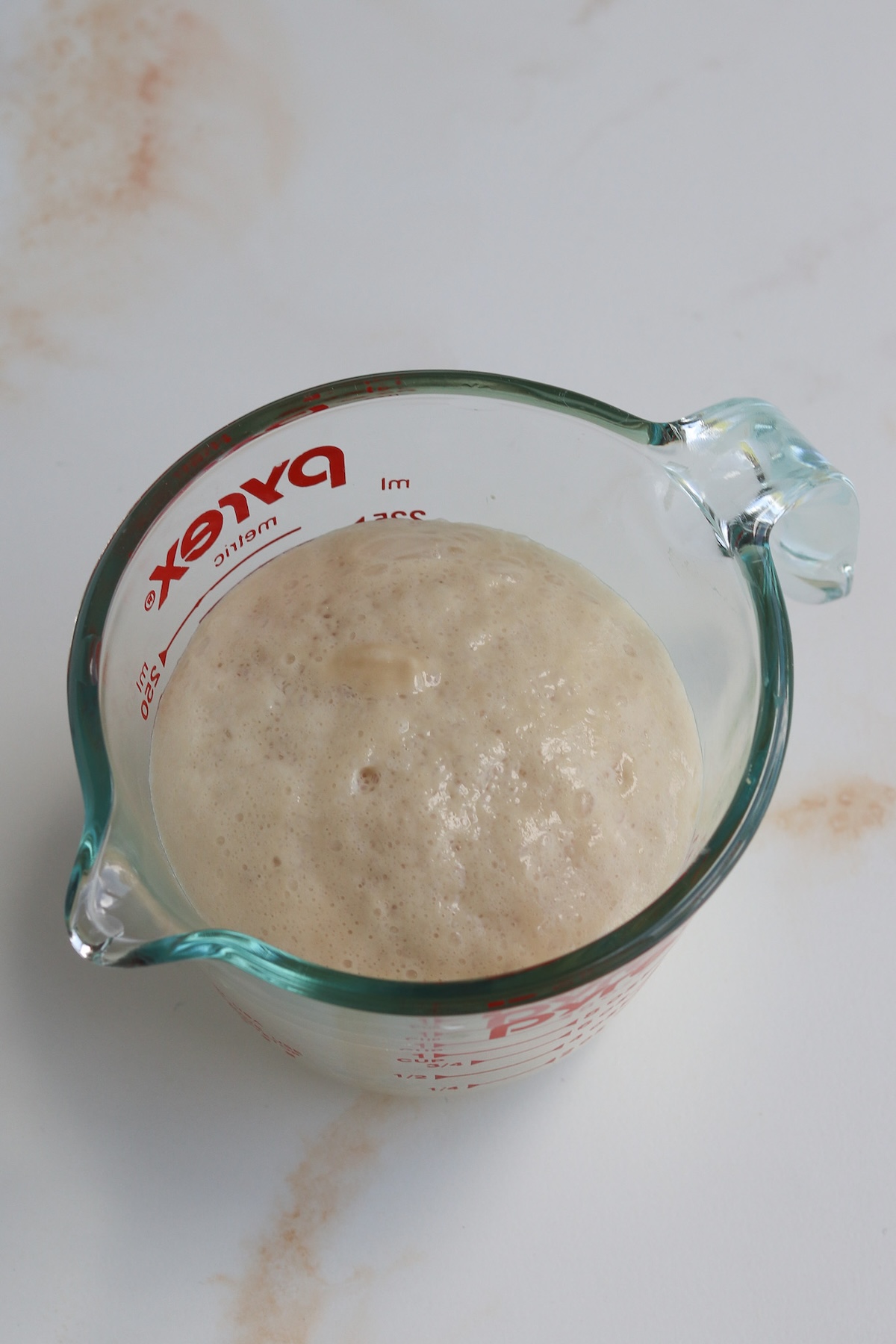
1. Activate the yeast. Combine the warm water, yeast, and a teaspoon of sugar. Let it sit for about 10 minutes, until foamy and active.
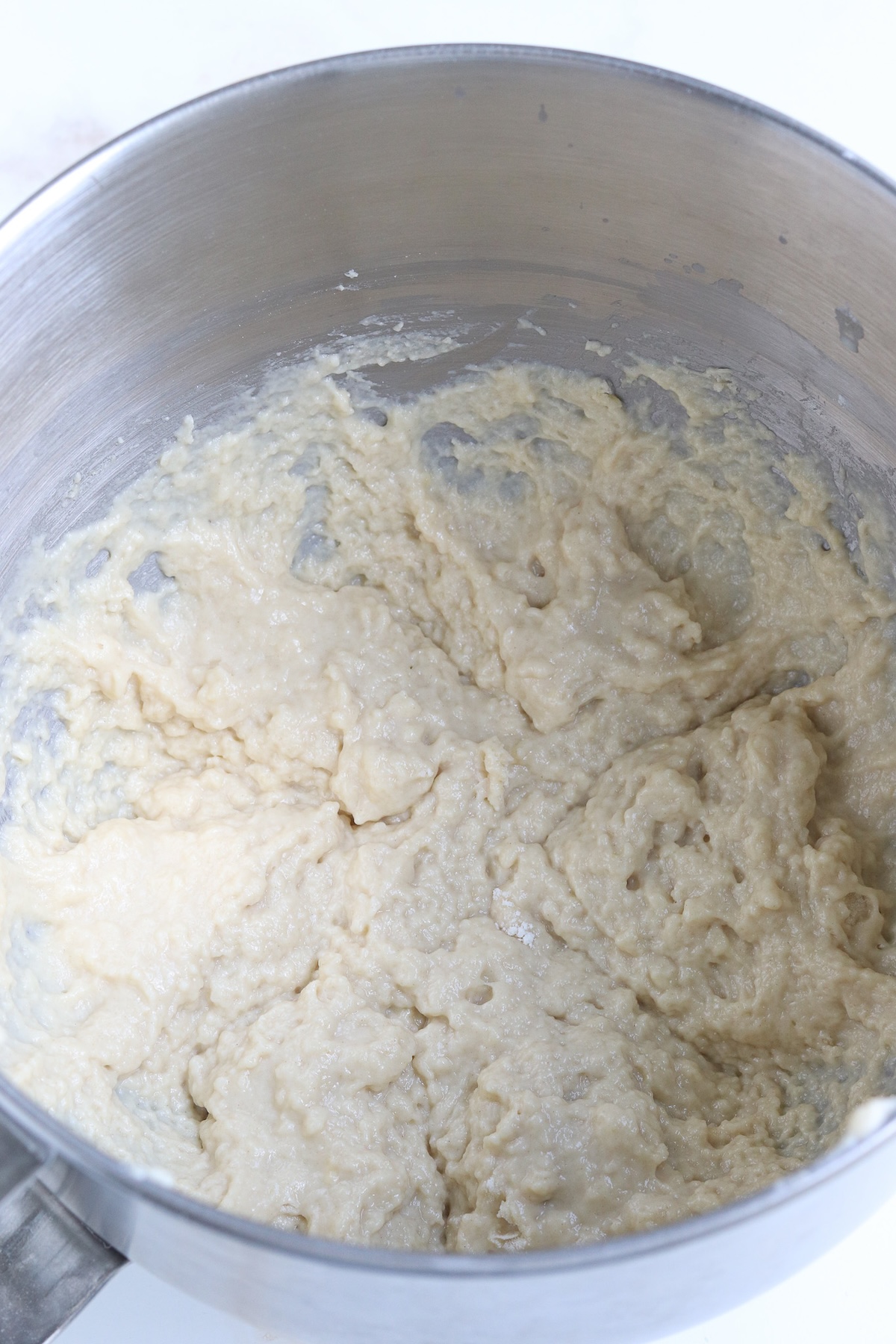
2. Mix the dough. Add the milk, sugar, salt, egg yolk to and most of the sifted bread flour. Mix on low with the paddle attachment until a shaggy dough forms.
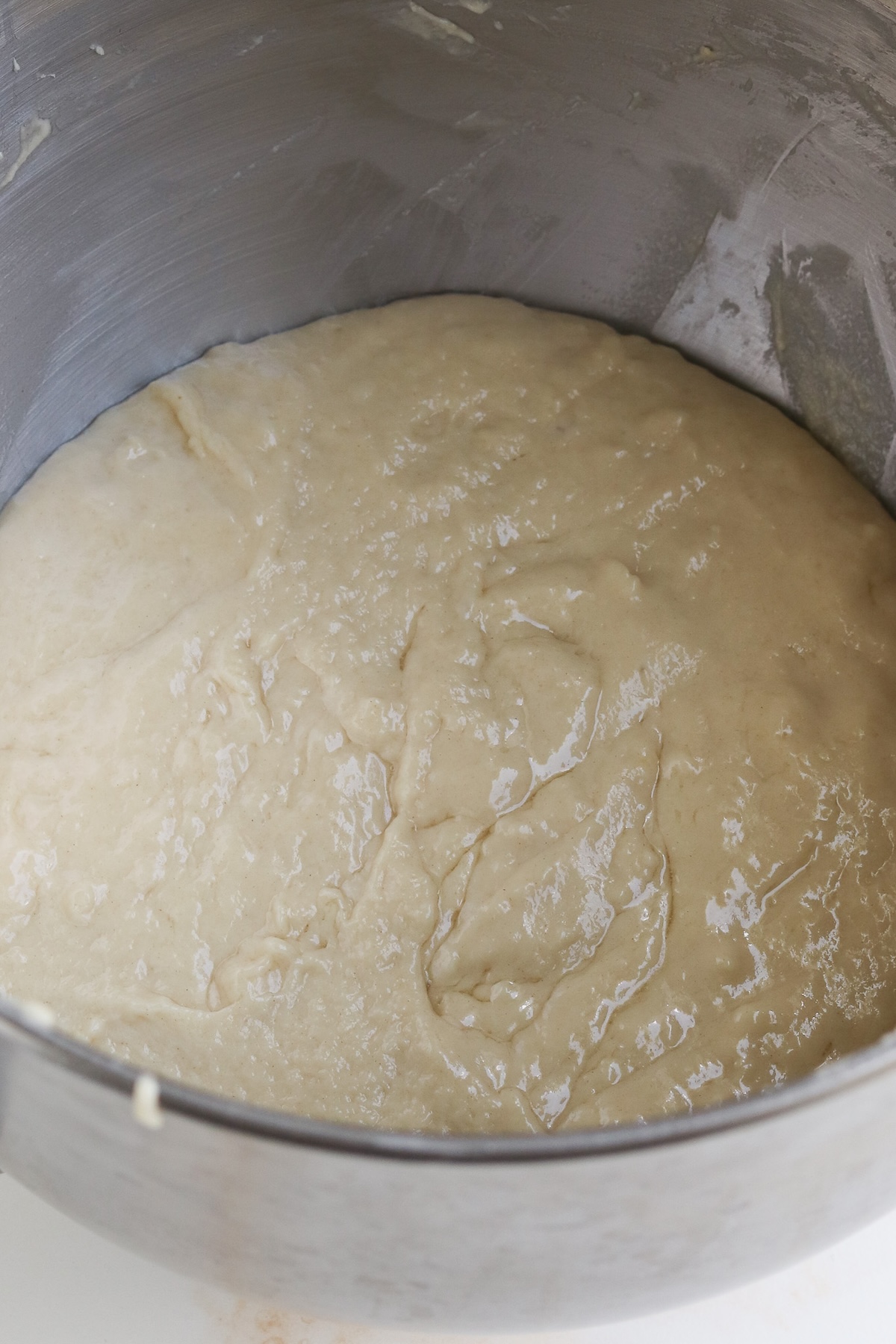
3. Add the butter or shortening and knead. With the mixer on low, slowly stream in lukewarm melted butter or shortening and mix until incorporated. Switch to the dough hook, add the remaining bread flour, and knead until the dough is smooth, elastic, and slightly tacky.
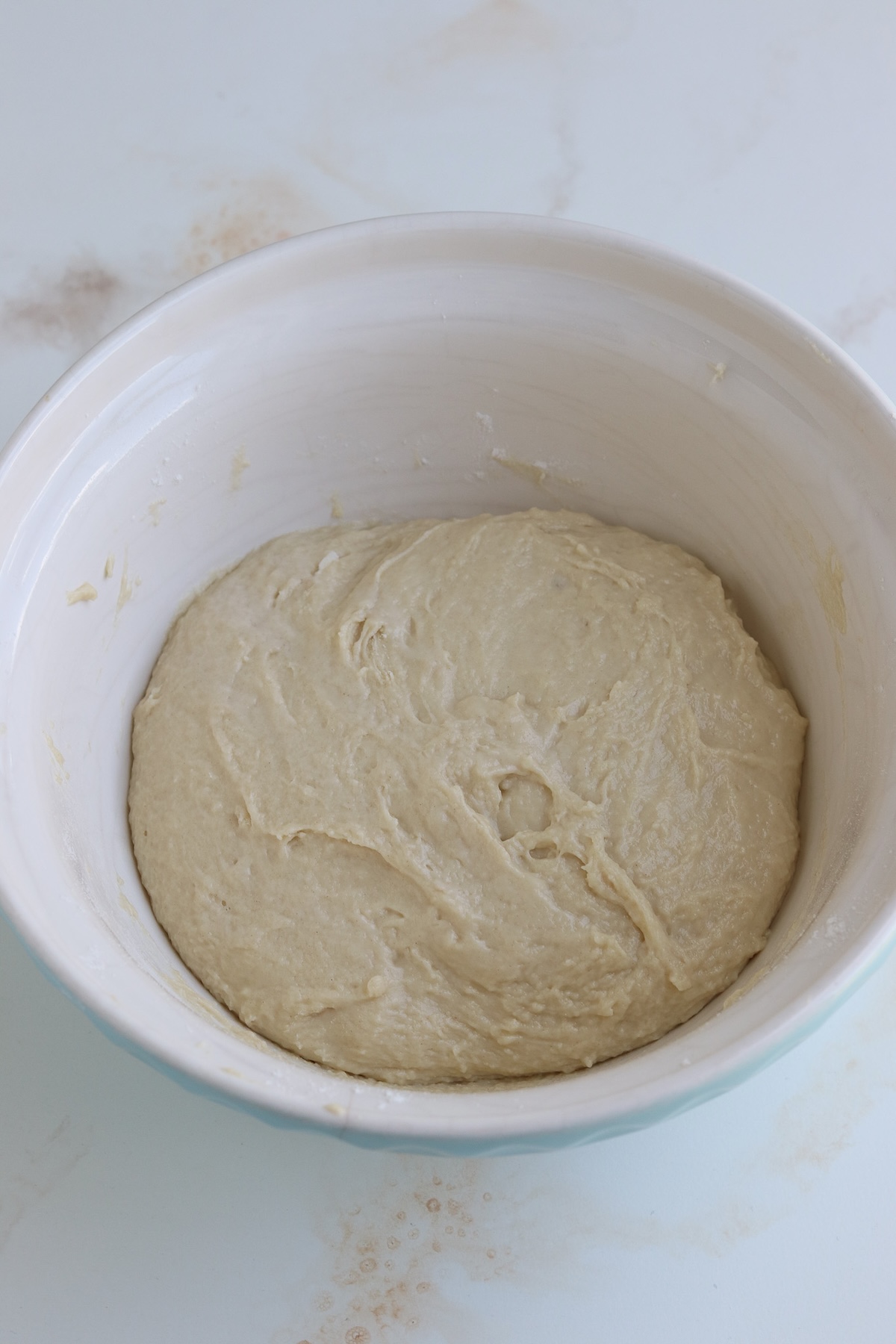
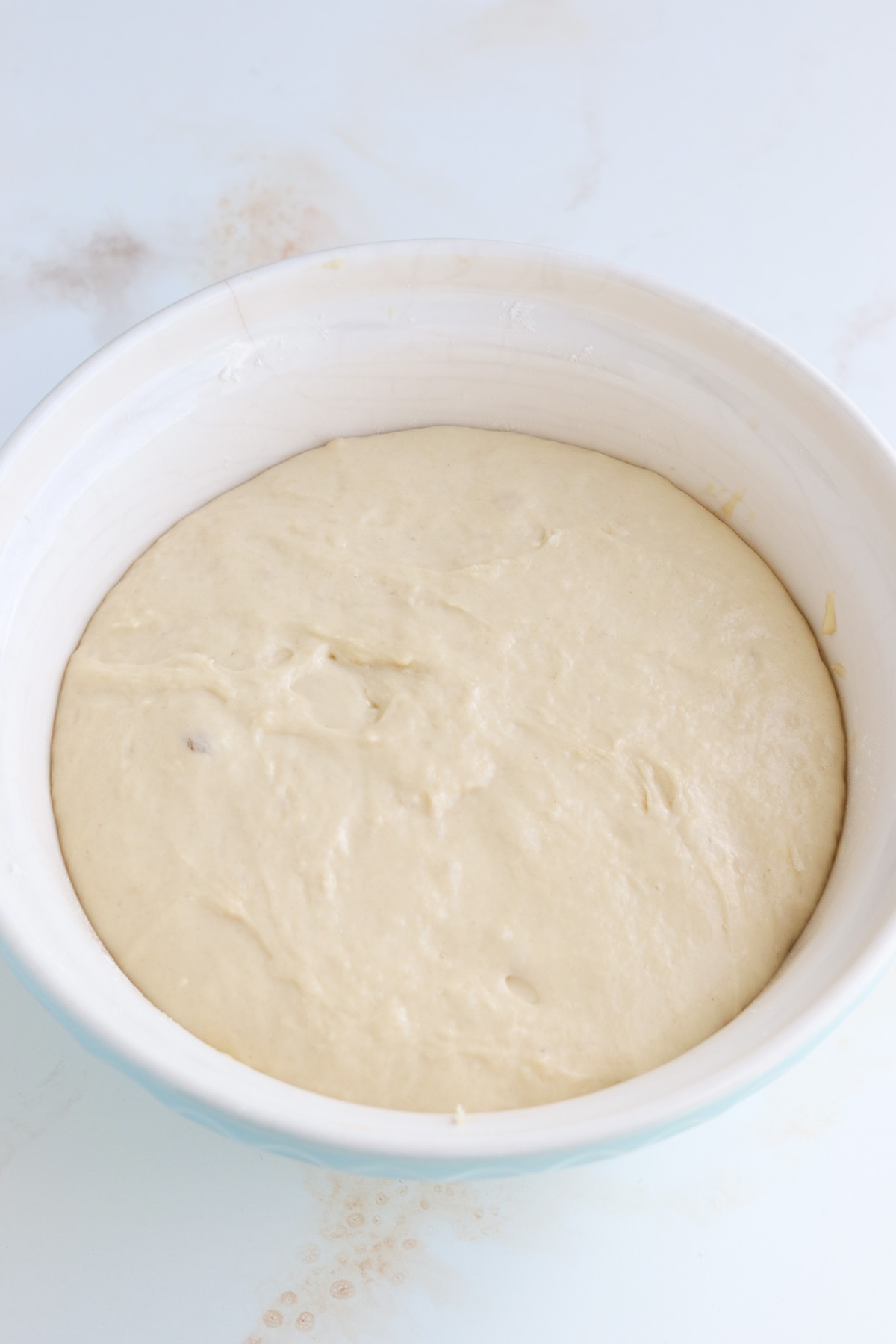
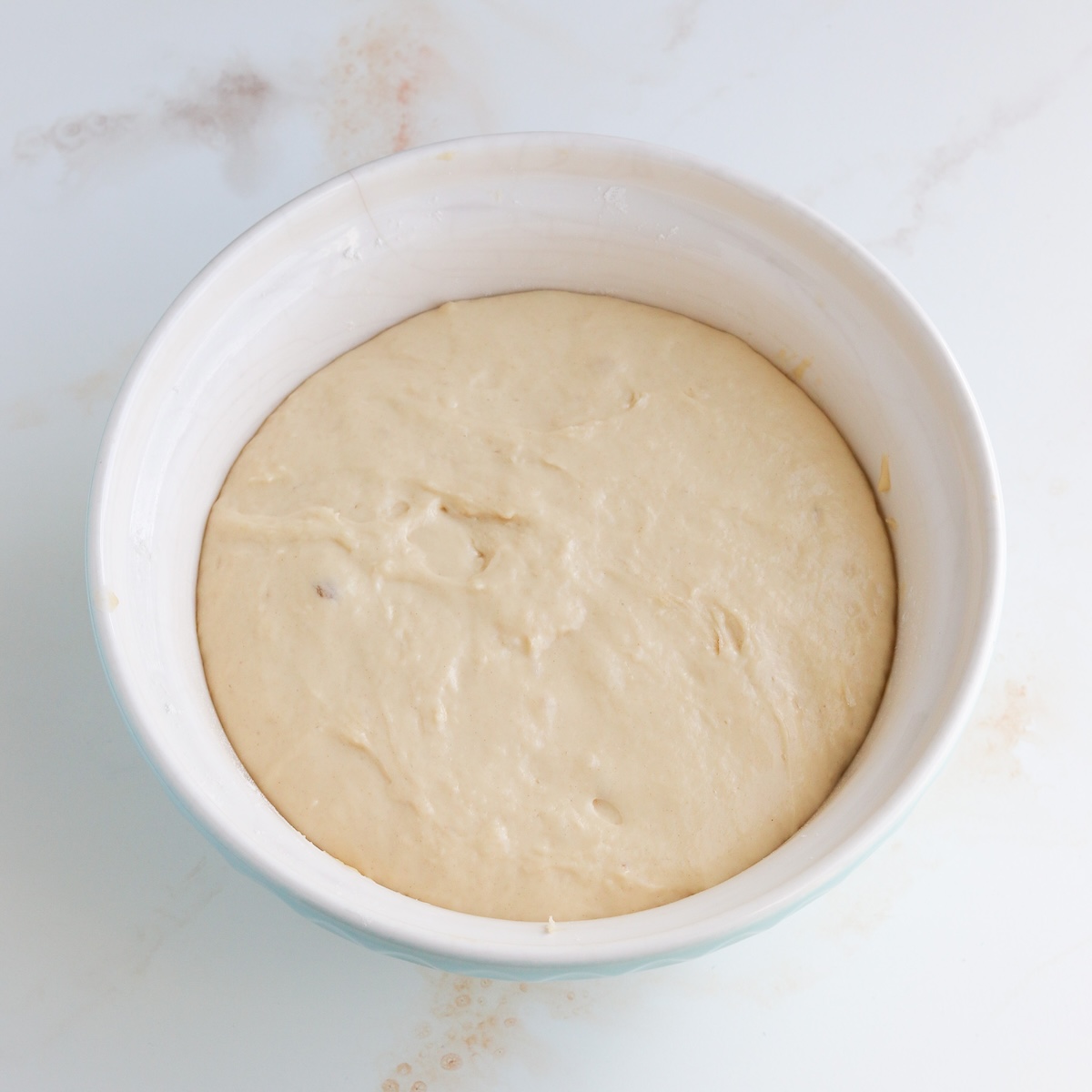
4. Let the dough rise. Transfer the dough to a lightly greased bowl, cover, and let rise in a warm place until puffy and nearly doubled in size.
5. Shape or refrigerate. Once the dough has risen, you are ready gently punch down, shape and make kolache or klobasneks. You can also refrigerate the dough at this point for up to 24 hours.
For step-by-step photos of making the dough by hand, please see my Cream Cheese Kolaches recipe.
Recipe Tips
- Don't add too much flour. The finished dough should be soft and slightly sticky. If you add too much, it will result in a heavy kolache. The dough becomes much easier to handle after the first rise; you can also chill the risen dough if needed to make it easier to work with.
- For a traditional kolache-shop texture, use shortening. Butter works well, but I've found that shortening comes the closest to the taste and texture of the kolaches you'll find in traditional Texas kolache shops.
For troubleshooting help and more kolache-making tips, see my Kolache FAQ.
How to Use Kolache Dough
After the first rise, this dough is ready to shape and fill. One batch makes about 12 pastries. Divide the dough into 12 equal portions, about 2.5 ounces (70 g) each. From here, you can make traditional sweet kolaches or savory klobasniky.
Sweet Kolaches
Savory Klobasnek
- Texas Sausage Kolaches (Klobasnek)
- Jalapeño Sausage Kolaches (coming soon!)
📖 Recipe
Texas Kolache Dough
Ingredients
Proof Yeast
- ¼ cup warm water (100-110°F / 38-43°C)
- 2 ¼ teaspoons active dry yeast (1 packet)
- 1 teaspoon granulated sugar
Dough
- ½ cup (110 g) granulated sugar
- 1 cup milk (2% or whole)
- ¼ cup (58 g) shortening or unsalted butter, melted
- 1 ½ teaspoons table salt
- 1 egg yolk
- 3 ⅓ cups (420 g) bread flour, sifted
Instructions
Make the Dough - By-Hand
- Activate the yeast. Combine warm water, yeast, and 1 teaspoon of sugar in a small bowl. Stir and let sit for 10 minutes, until the yeast is foamy and active.
- Mix the dough. In a large bowl, mix together the sugar, milk, melted shortening or butter, salt, and egg yolk. Stir in the yeast mixture. Add the sifted bread flour 1 cup at a time until 3 cups are incorporated, stirring until a sticky dough starts to form.
- Knead. Sprinkle the remaining ⅓ cup bread flour onto a hard work surface. Turn the dough out and knead for 10-12 minutes, until smooth and elastic. The finished dough should be soft and slightly tacky.
- Let rise. Transfer the dough to a lightly greased bowl and cover. Let rise in a warm place for about 1 to 1.5 hours, until puffy and nearly doubled in size.
- After the first rise, the dough is ready to shape and fill. One batch makes about 12 pastries. Divide the dough into 12 equal portions, about 2.5 ounces each. From here, you can use it to make traditional sweet kolaches or savory klobasneks.
Make the Dough - Stand-Mixer (alternative to the steps above)
- Activate the yeast. Combine warm water, yeast, and 1 teaspoon of sugar in a small bowl. Stir and let sit for 10 minutes, until the yeast is foamy and active.
- Mix the dough. In the mixer bowl, combine the activated yeast mixture, sugar, milk, salt, egg yolk, and 3 cups of the bread flour. Mix with the paddle attachment on low speed until a shaggy dough forms. With the mixer on low, slowly pour in the lukewarm melted butter or shortening, mixing until incorporated.
- Knead. Switch to the dough hook attachment and add the remaining ⅓ cup bread flour. Knead on low speed for 6-8 minutes (KitchenAid 2) until the dough looks smooth, elastic, and starts to pull off the sides of bowl. Scrape down the bowl and hook partway through making sure no dry pockets are left unmixed at the bottom. If the dough remains very sticky after kneading, add additional bread flour 1 tablespoon at a time as needed. The finished dough should be soft and slightly tacky.
- Rise. Transfer to a lightly greased bowl, cover, and let rise in a warm place for 1 to 1.5 hours, until puffy and almost doubled in size.
- After the first rise, the dough is ready to shape and fill. One batch makes about 12 pastries. Divide the dough into 12 equal portions, about 2.5 ounces each. From here, you can use it to make traditional sweet kolaches or savory klobasneks.
I hope this stand-alone kolache dough recipe brings a little joy to your kitchen. I love hearing how y'all make these for your coworkers, friends, family and neighbors. If you make a batch, I'd love to hear what you filled your kolaches with!
Alaine
Leave a Reply